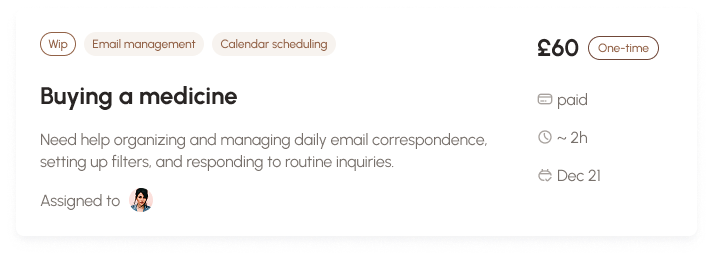
01 Fixed Price
Used for tasks with a clearly defined scope and outcome.
→ straightforward, short-term work
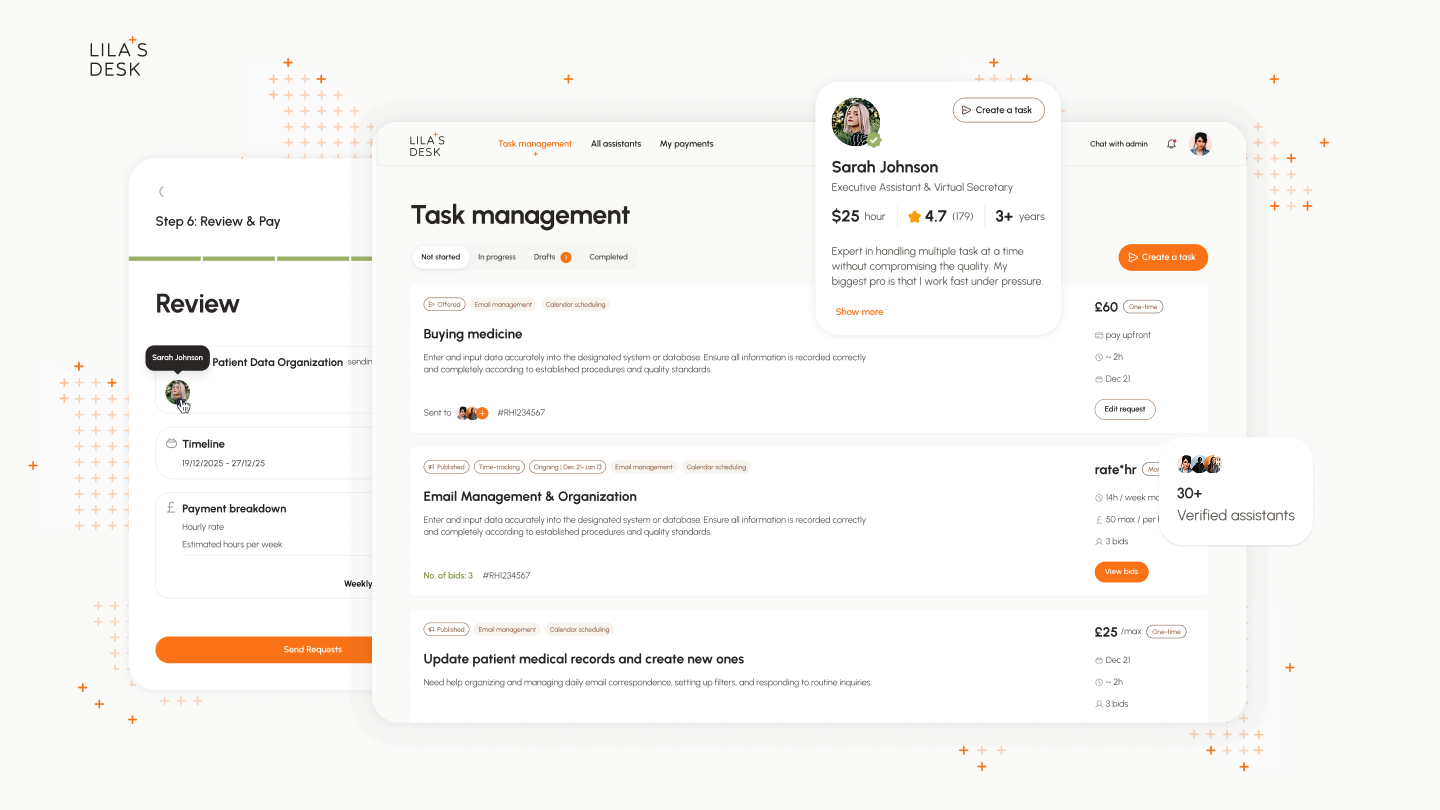
Lila’s Desk connects doctors with assistants for fast, flexible support. Doctors can post tasks or send direct requests, while assistants apply, collaborate, and get paid - all in one place.


Tasks delegated through the platform varied significantly in complexity and scope.
For some tasks, users didn’t know the expected price and wanted to compare multiple offers before making a decision. For other tasks, users already trusted a specific assistant and wanted to hire them directly with a predefined offer.
Idea is to eliminate back-and-forth negotiation and reduce the hiring process to a predictable 2 step model.
The system was designed around two actions only:
 02 Response
I introduced two distinct hiring flows based on different user intentions and goals. Bidding (Job Ad) VS Direct Request
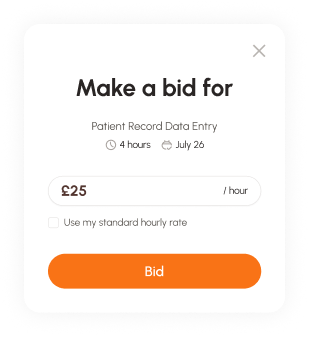
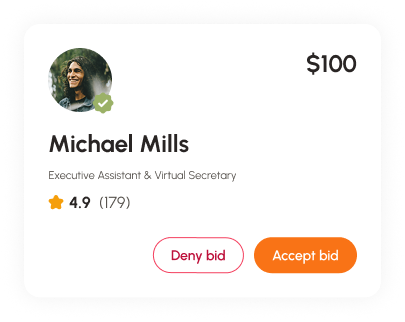
Users publish a task as a Job Ad in order to receive multiple offers and compare available options.
→ optimized for price discovery
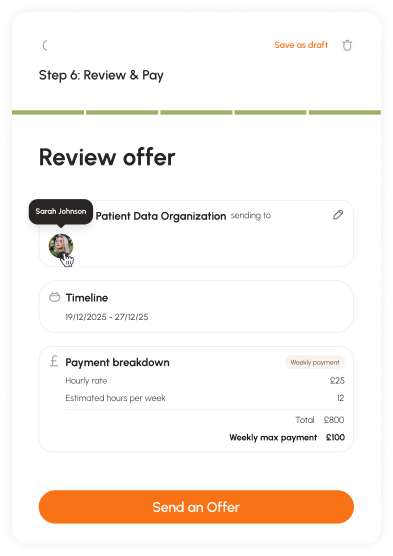
Users select a specific assistant and send a predefined offer that can either be accepted or declined. Pricing expectations become immediately clear and negotiation remains structured and predictable.
→ optimized for trust-based collaboration
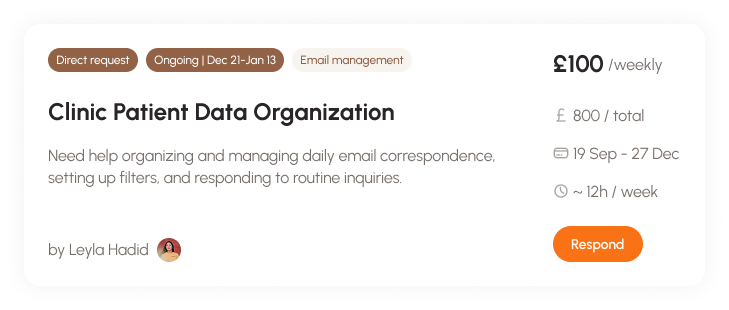
Users may trust a specific assistant but still want pricing flexibility.
To support this behavior, users can share a Job Ad directly with selected assistants and receive targeted bids without changing the core hiring structure.
Some tasks had a clearly defined scope and fixed outcome, while others involved recurring support or ongoing collaboration with changing workloads.
Using a single payment structure for all scenarios would create confusion around
Instead of forcing all tasks into the same pricing model, payment expectations are aligned with the actual nature of the collaboration.
Each payment structure feels intuitive based on:
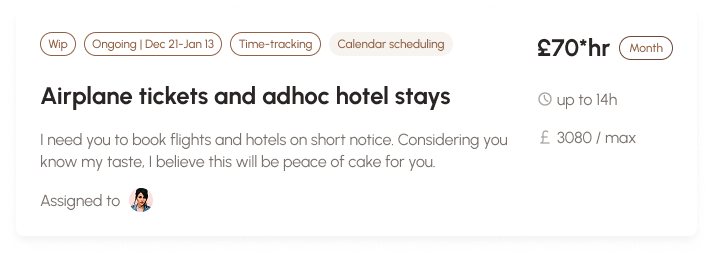
Monthly Retainer Paid by Hour
I introduced three distinct payment models: Fixed Price, Monthly retainer, Paid by Hour.
Used for tasks with a clearly defined scope and outcome.
→ straightforward, short-term work
Used for recurring support with a predefined monthly workload.
→ structured long-term collaboration
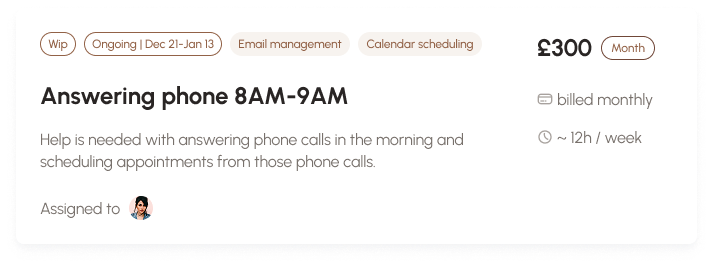
Used for ongoing work with variable scope and flexible monthly hours.
Users can track hours throughout the month while still setting a maximum monthly limit.
→ high-trust, flexible collaborations
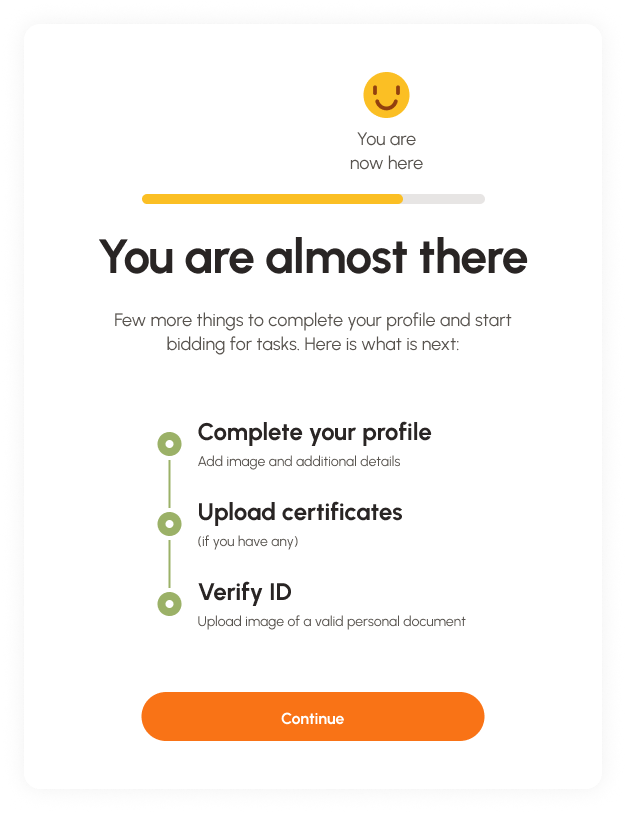
Users needed to complete multiple verification and profile setup steps before fully participating on the platform.
However, requiring users to complete everything upfront created unnecessary friction before they even understood the platform’s value.
At the same time, unrestricted access would reduce trust and platform reliability.
Instead of blocking users behind mandatory onboarding steps, allow them to enter and explore the platform early.
Goal was to let users:
before requiring complete verification.
Explore platform Finish profile
Users can complete their profile gradually instead of finishing the entire onboarding process upfront. This creates a balance between early exploration and platform trust.
Actions that can be temporarily skipped during onboarding:
These requirements become mandatory before users can: